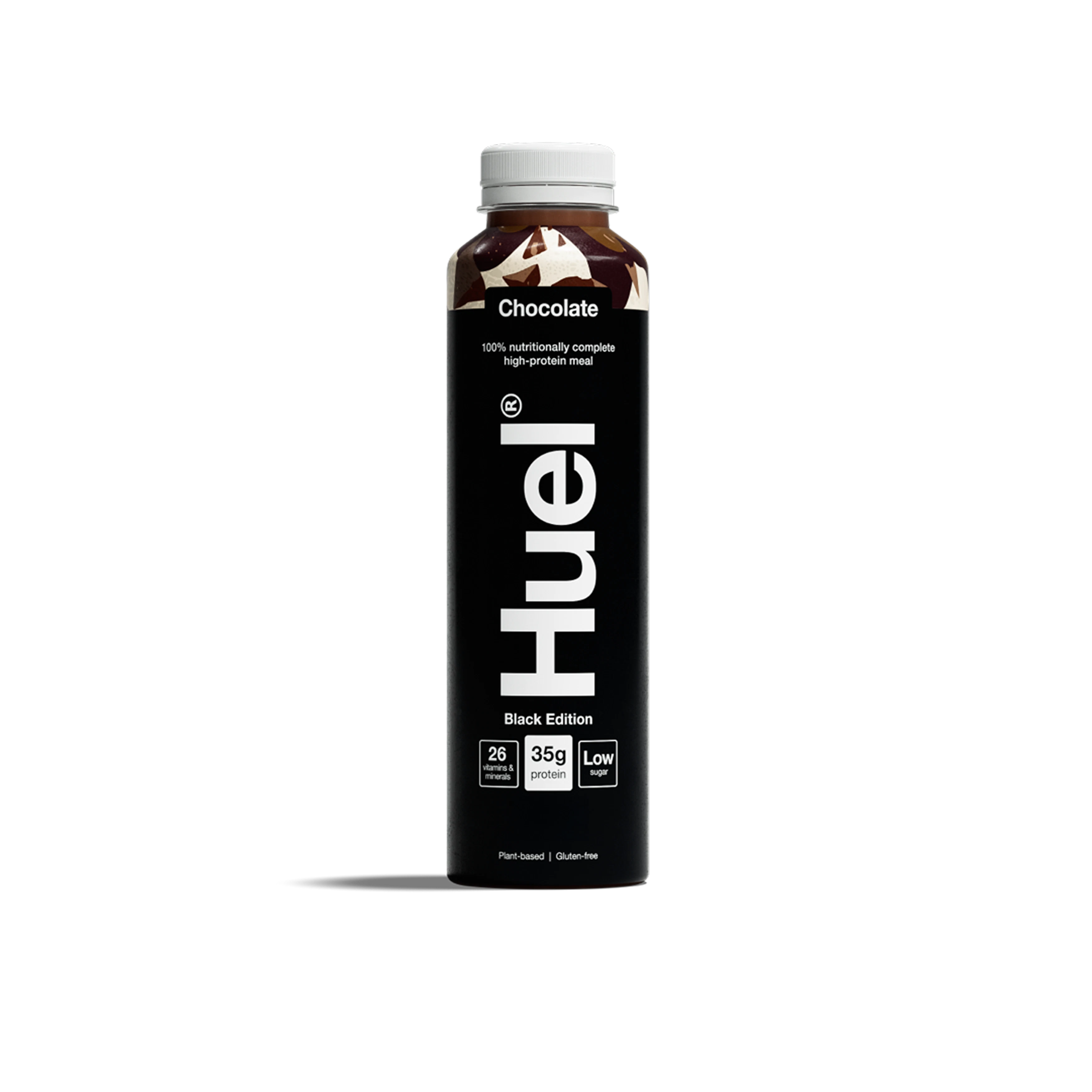

Black Edition Ready-to-drink
High-protein meal shakes
35g protein
400 kcal per meal

For years, I didn’t actually enjoy exercise.
I enjoyed the idea of results. The promise of progress. The fantasy of becoming someone slightly more disciplined, slightly more toned, slightly more impressive. But the movement itself? That felt transactional. If I pushed hard enough, I’d earn something.
Like a lot of people trying to figure out how to enjoy exercise, I started with extremes. Run faster. Lift heavier. Track everything. Every workout was a test of character.
It worked — until it didn’t.
Within a few months, the motivation that felt electric started to feel fragile. Miss one goal and I’d spiral. Miss two and I’d quietly stop going. Public health data suggests that close to half of new exercise routines are abandoned within six months. I wasn’t uniquely unmotivated. I was just human.
The problem wasn’t effort. It was the framing.
Modern fitness culture is loud about outcomes. Before-and-after photos. Personal bests. Visible transformation. The message is clear: exercise “counts” if it changes how you look or perform.
But research consistently shows that intrinsic motivation — doing something because it feels good or meaningful — is a far stronger predictor of long-term adherence than chasing external rewards. When workouts become a referendum on your worth, burnout isn’t far behind.
Physical activity is meant to improve mental health, not quietly erode it. Global health organisations consistently link regular movement to improved mood, reduced anxiety, better sleep, and sharper cognition. None of those benefits require a six-pack.
At some point, I realised I didn’t actually want to learn how to enjoy weight lifting for the numbers. I wanted to enjoy moving my body full stop.
That required a shift.
This sounds small. It wasn’t.
Instead of timing every run, I ran without checking my watch. Instead of obsessing over reps, I paid attention to sensation — the rhythm of my breathing, the steadiness of my stance, the odd pleasure of feeling capable.
On some days, movement felt like meditation. On others, it felt like stress relief. Occasionally, it felt like nothing special at all — and that was fine.
If you’re wondering how to enjoy working out when you’ve always treated it as punishment, this is the first lever to pull. Remove the scoreboard.
When I stopped measuring every session against an outcome, something unexpected happened: I wanted to go back.
I used to believe exercise had to be impressive to matter. Long sessions. Big sweat. Visible effort.
Now, I look for consistency instead.
Walking meetings. Cycling to pick up groceries. Ten minutes of strength work while dinner’s in the oven. These aren’t dramatic. They’re sustainable.
And sustainability is what most of us are actually looking for when we type “how can I enjoy exercise” into a search bar. We don’t need more intensity. We need less friction.
Research backs this up: smaller, repeatable habits are more likely to stick than ambitious overhauls. Momentum builds identity. Identity builds consistency.
I stopped trying to dominate it.
Cardio used to feel like a test of endurance. Now it feels rhythmic. I run with music that matches my stride. I choose routes that are interesting, not optimised. Sometimes I don’t run at all — I hike, swim, cycle, dance.
If you’re trying to figure out how to enjoy cardio, change the context before you change your effort. Outside beats treadmill. Intervals beat monotony. Curiosity beats punishment.
Most importantly: not every session has to leave you flattened. Moderate intensity still delivers powerful cardiovascular and mental health benefits.
I used to fixate on numbers. Now I focus on sensation.
There’s something deeply satisfying about feeling strong — not in comparison to anyone else, but in your own body. The steadiness of a controlled squat. The surprise of picking up something that once felt heavy and realising it doesn’t anymore.
If you’re wondering how to enjoy lifting weights, try this: pay attention to control, not load. To posture, not plates. To breath, not bragging rights.
Strength training supports metabolic health, bone density, and long-term resilience. But it also does something less measurable. It builds quiet confidence.
One of the biggest shifts was expanding my definition of exercise.
Gardening counts. Long walks count. Dancing in your kitchen absolutely counts. Public health guidance is clear: physical activity isn’t limited to structured workouts. It includes anything that gets you moving.
If you hate the gym, don’t go. Or go less. Or go differently.
The question isn’t “How do I enjoy going to the gym?” It’s “What kind of movement feels like mine?”
There’s a reason people search how to enjoy the pain of working out. Discomfort is part of growth. But there’s a difference between challenging and punishing.
“Good” discomfort feels empowering — breathless intervals, muscles working hard. “Bad” pain feels sharp, unstable, wrong.
Learning that distinction changed everything. Instead of bracing against sensation, I got curious about it. Notice the burn. Notice the heartbeat. Let it crest and fall.
Discomfort became information, not a verdict.
I used to log every run, every rep, every calorie. Data felt productive.
Now, I track differently.
Am I sleeping better?
Do I feel steadier during the day?
Is my stress easier to manage?
Regular physical activity is consistently linked to improved mood and reduced anxiety. Those outcomes matter more to me than a split time.
When you focus on feelings instead of figures, exercise shifts from performance to self-care.
The biggest change wasn’t the type of movement. It was the role it played in my life.
It stopped being something I did “for a while.” It became something I do because it supports me.
Some days it’s structured strength training. Some days it’s a long walk in bad weather. Some days it’s stretching on the floor with no particular agenda.
None of it is dramatic. All of it counts.
Start smaller than you think you need to.
Remove the scoreboard.
Lower the bar.
Change the environment.
Experiment.
You don’t have to love burpees. You don’t have to become a gym person. You don’t have to chase anyone else’s finish line.
Enjoyment isn’t a personality trait. It’s a skill. It grows when you give it space.
And when movement stops being something you owe your future self, and starts being something you offer your present self, it gets a lot easier to keep going.
Edited by The Digest team