🔥 Bestseller
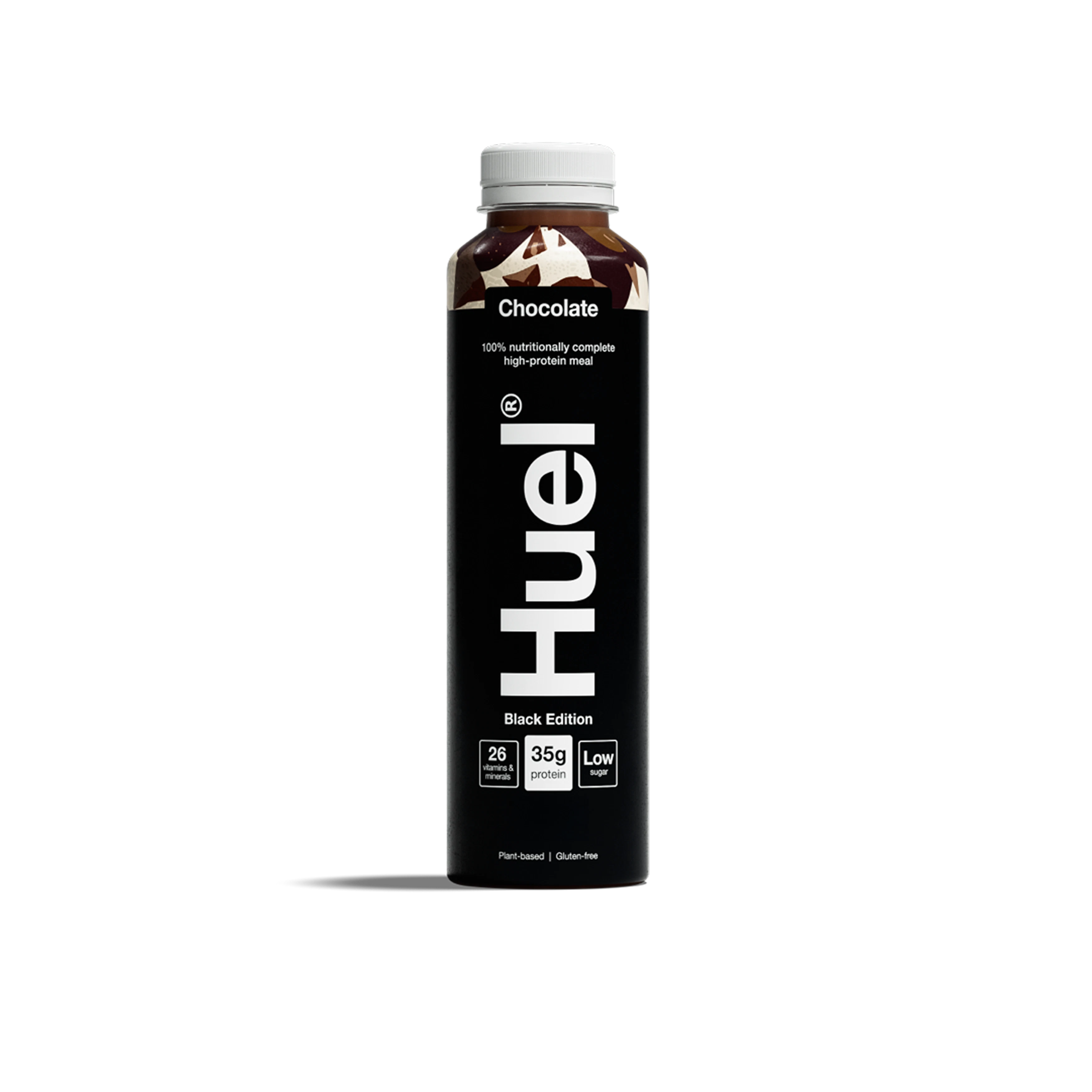

Black Edition Ready-to-drink
High-protein meal shakes
35g protein
400 kcal per meal

You know that feeling where nothing is technically wrong… but nothing feels quite right either?
You’re sleeping, but not deeply. Eating, but not intentionally. Moving, but only when your calendar forces you to.
This isn’t a “reinvent your life” moment. It’s more of a recalibration.
The idea behind this 7-day reset is simple: when you support your body consistently, your brain tends to follow. Stable blood sugar helps steady your mood. Movement shifts stress chemistry. Sleep repairs more than you realise. Even small tweaks can make a noticeable difference.
No extremes. No elimination diets. No punishing workouts. Just a week of paying attention.
Here’s how it works.
Before you overhaul anything, stabilise your energy.
Mood swings and afternoon crashes are often less about willpower and more about blood sugar dips. When meals are inconsistent — or skewed heavily toward refined carbs — your energy follows the same rollercoaster pattern.
Today, keep it simple:
Balanced, complete meals make this easier. When your body feels supported, your brain stops sending panic signals at 3pm.
Movement is one of the fastest ways to shift your mental state. A brisk walk can lower stress hormones. Strength training improves insulin sensitivity and builds long-term metabolic resilience. Even light movement increases endorphins.
The key is removing intensity pressure.
Today isn’t about smashing a workout. It’s about 30 minutes of intentional movement. Outside if possible. Notice how you feel afterwards — not during.
Your gut and brain are in constant communication. The gut-brain axis is very real, and fibre plays a huge role in supporting beneficial bacteria.
Aim for more plants today. More colour. Maybe some fermented foods if that’s your thing.
Most people under-eat fibre without realising it. Bringing it up gradually can help digestion, satiety, and even mood regulation over time.
Think diversity, not perfection.
Stress isn’t just workload. It’s stimulation.
Today, choose one boundary. Maybe it’s no phone an hour before bed. Maybe it’s a short breathing practice. Maybe it’s stepping outside without headphones for ten minutes.
You don’t need a full digital detox. Just create a little space for your nervous system to downshift.
It’s surprisingly powerful.

Muscle isn’t just aesthetic. It’s metabolic insurance.
Strength training supports hormone regulation, blood sugar stability, and long-term health. It also does something less measurable but equally important: it builds quiet confidence.
Do one full-body session. Bodyweight counts. Resistance bands count. It all counts.
Pair it with adequate protein so your body can actually use the signal you’re sending it.
Sleep is where the real reset happens.
It regulates appetite hormones. Supports memory consolidation. Helps process emotional stress. Improves recovery.
Tonight, go to bed slightly earlier. Cool, dark room. No doom scrolling under the duvet.
If you’ve been borrowing energy from caffeine all week, this is where you start paying it back.
No dramatic journaling prompts required. Just ask yourself:
Do I feel different?
Maybe your energy is steadier. Maybe your digestion feels smoother. Maybe you’re just slightly calmer.
The goal isn’t to walk away transformed. It’s to identify one or two habits that genuinely made a difference — and keep those.
When you stabilise nutrition, move consistently, sleep better, and reduce stress input, you’re supporting the systems that regulate mood and energy at a biological level.
Blood sugar becomes steadier. Cortisol spikes soften. Sleep deepens. Your baseline improves.
And you didn’t overhaul your entire life to get there.
That’s the point.
If you want to simplify the nutrition piece, keeping balanced, nutritionally complete options on hand can remove decision fatigue on busy days and make consistency easier. The less friction, the more sustainable the habit.
Seven days isn’t magic.
But it’s long enough to remember what “good” feels like.
Ready?
Edited by The Digest team


